When the Meter Is Running: The New Economics of Light Art
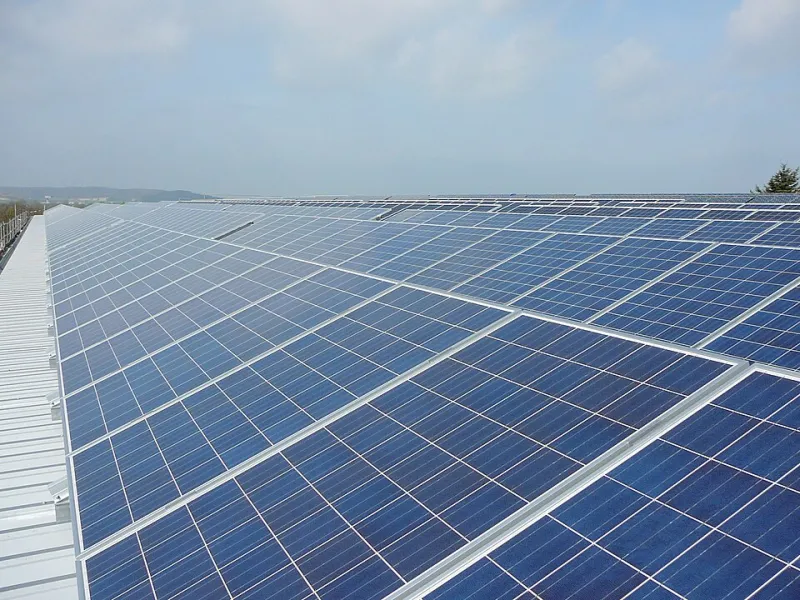
Photo: ChristofferRiemer, CC BY 3.0, via Wikimedia Commons
For most of the year, electricity is invisible to the public story of light art. Visitors see color, motion, and atmosphere. They do not see the service panel, the cable schedule, or the line item that keeps the whole thing breathing. But in 2026, that line item has become impossible to ignore. Across the United States, festivals are confronting higher electricity prices, tighter grid rules, and a growing expectation that large public events account for the power they consume.
At Yuguang, the response is not a retreat from light. It is a redesign of how light is made, stored, and scheduled. Artists and producers describe a season shaped by the meter, where ambition is measured not only in lumens but in kilowatt-hours.
The New Line Item
Festival producers have always built power plans. They calculate load, rent generators, run cable, and coordinate with local utilities. What has changed is the margin for error. A large installation that once fit comfortably into a budget can now demand a second look. Demand charges, time-of-use rates, and interconnection rules vary from state to state, but the direction is consistent: power is no longer a background utility. It is a production constraint.
For artists, that constraint arrives as a series of questions. How much light is enough? Can the work run at lower intensity without losing its meaning? Does the piece need to be on all night, or can it be episodic? The answers are not purely technical. They shape the aesthetic experience.
Solar After Dark
One of the most visible experiments at Yuguang this year is the use of solar arrays paired with battery storage. During the day, panels charge battery packs. After sunset, those packs feed installations that would otherwise draw from the grid. The appeal is obvious: clean power, quieter generators, and a visible commitment to sustainability. The reality is more complicated. Batteries are heavy. They require safe housing, trained handlers, and careful monitoring. Solar output varies with weather. A cloudy afternoon can leave an artist doing arithmetic at dusk.
Still, the experiments are producing practical knowledge. Producers are learning which installations can run on stored power and which cannot. They are testing battery swaps as a routine maintenance task rather than an emergency measure. They are finding that some works benefit from a deliberate power budget, because it forces clarity about what the piece is actually doing.
The Low-Draw Turn
Alongside batteries, artists are turning to low-draw LEDs, motion sensors, and dimming schedules. The shift is not simply a matter of swapping bulbs. It changes color, texture, and pacing. A piece that once blazed continuously may now breathe in slow intervals. A path that once glowed evenly may now respond only when someone approaches. Visitors may not notice the engineering, but they notice the rhythm.
Some artists argue that the constraint has improved their work. A smaller power draw encourages restraint. It rewards shadow. It makes the moment of illumination feel more intentional. Others are less romantic. They point out that low-draw technology still costs money, and that not every artist can afford to retrofit an existing piece. The economics of adaptation are uneven.
Timed Blackouts and Choreographed Restraint
One of the more debated strategies at Yuguang is the scheduled blackout: a short, announced period when selected installations go dark. The purpose is to reduce load during peak demand and to give the grid a breather. The effect is theatrical. Visitors who happen to be standing near a piece when it goes dark often stay to see what happens next. When the light returns, the work feels newly alive.
But timed blackouts require careful communication. Visitors need to know that darkness is part of the plan, not a failure. Staff need to manage pathways and safety lighting. Artists need to decide whether a pause flatters the work or breaks it. The blackout is not a gimmick. It is a curatorial decision about time, scarcity, and attention.
What the Meter Means for Ambition
The larger question is what happens to ambitious light art when the meter is running. Large-scale immersive works are expensive to build, transport, and power. If energy costs continue to rise, festivals may favor smaller, modular, or touring pieces that can be powered more predictably. That could mean fewer spectacular set pieces and more intimate interventions. It could also mean a more equitable model, in which artists are not expected to absorb power costs as a hidden part of their practice.
At Yuguang, producers are trying to treat energy as a shared production value rather than an artist's private burden. That means earlier conversations about load, clearer budgets, and technical support during the design phase. It also means being honest with visitors about what it takes to make the festival glow. The meter is running. The art is still bright. But the brightest work this year may be the planning that keeps it that way.