The Ripple Economy: What Happens to a Region When Wonder Moves In
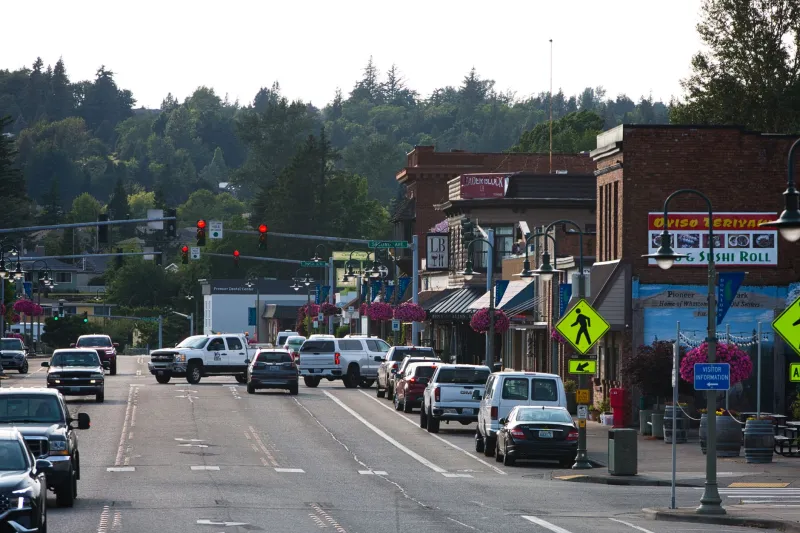
In the weeks before the Yuguang Art Festival opens its gates, something shifts in the surrounding region that is difficult to quantify but impossible to miss. Restaurant owners begin hiring additional staff. Bed-and-breakfast proprietors update their listings. Local artisans restock inventory. The roads that had been quiet acquire a new, purposeful hum of activity.
This pre-festival mobilization is the visible surface of an economic phenomenon that researchers, regional planners, and community advocates are increasingly studying with serious attention. Large-scale immersive art festivals, it turns out, do not simply entertain. They invest—in local economies, in artist livelihoods, and in the long-term cultural identity of the regions they inhabit.
The numbers behind this investment are more substantial than many assume, and the mechanisms by which they operate are more sophisticated than a simple influx of visitor spending. Understanding the full economic geography of a festival like Yuguang requires looking beyond the event itself to the ecosystem it creates—and sustains—across the calendar year.
Visitor Spending and the Multiplier Effect
The most straightforward measure of a festival's economic impact is direct visitor spending. Attendees purchase tickets, book accommodations, fill local restaurants, and shop at nearby businesses. For festivals drawing tens of thousands of visitors over multiple days, these figures are significant by any measure.
But economists who study cultural tourism are quick to point out that direct spending captures only the first layer of a more complex phenomenon. The "multiplier effect" describes the way in which money introduced into a local economy circulates through it—the restaurant that hires additional servers, the server who pays local rent, the landlord who invests in property maintenance, and so on. For regions with limited economic diversity, this multiplier can be particularly pronounced.
A 2022 analysis by the Americans for the Arts organization found that arts and cultural events in the United States generate, on average, $27.50 in additional local economic activity for every dollar spent by an out-of-town visitor on ancillary goods and services. For festivals situated in rural or semi-rural regions—where baseline economic activity is lower and leakage to larger metropolitan areas is reduced—this figure can climb considerably higher.
The Yuguang Art Festival, which draws a geographically diverse national audience, channels a meaningful share of that spending into communities that have historically been bypassed by conventional tourism infrastructure. This is not incidental to the festival's character—it is a reflection of its deliberate positioning in landscapes where the interplay of light, space, and natural environment is most dramatically realized.
Beyond the Weekend: Year-Round Infrastructure
One of the most consequential and least-discussed dimensions of a major festival's economic impact is the infrastructure it necessitates and, over time, permanently establishes. Festivals of Yuguang's scale require substantial logistical support: fabrication workshops, technical equipment storage, transportation networks, hospitality coordination, and communications infrastructure. In many host regions, this support does not exist prior to the festival's arrival—it must be built.
The construction of this infrastructure creates employment that is, crucially, not limited to the festival season. Fabrication specialists, electricians with experience in large-scale installation work, riggers, logistics coordinators, and venue maintenance staff are employed on extended contracts that stretch well beyond the event dates. For artists and cultural workers in particular—a professional class that has historically struggled with income instability—this expanded employment model represents a meaningful shift.
"The festival has effectively created a local economy for skilled technical artists that didn't exist here five years ago," says regional economic development consultant Patricia Huang, who has studied the impact of immersive arts events on rural American communities. "We're seeing people who previously had to relocate to major cities to find consistent work staying in their home regions because the work has come to them."
Residencies, Partnerships, and the Year-Round Calendar
Festivals that achieve genuine community integration typically evolve beyond their original event-season model to develop programming that activates local economies and creative networks throughout the year. Artist residency programs are among the most economically significant of these extensions.
When artists are placed in residence within a host community—working in local studios, engaging with schools and civic organizations, sourcing materials from regional suppliers—the economic and cultural benefits distribute themselves across a much longer timeline than any single festival weekend. Residents spend locally, build relationships that generate ongoing commissions and collaborations, and contribute to the kind of creative reputation that attracts further investment and attention.
The Yuguang Art Festival's residency program has seeded partnerships with local fabricators, educational institutions, and regional arts organizations that generate activity throughout the off-season. Several businesses that began as festival vendors have since developed year-round relationships with the festival's network of artists and production partners—a form of economic continuity that transforms a seasonal event into a permanent community asset.
The Hospitality Halo
The hospitality sector's relationship with large-scale festivals is perhaps the most immediately legible dimension of the economic story. Hotel occupancy rates, short-term rental bookings, and food and beverage revenues in festival host regions show consistent and significant spikes during event periods—but the longer-term effects are equally noteworthy.
Regions that host recurring festivals of national prominence develop what hospitality researchers call a "destination identity"—a cultural reputation that attracts visitors even in non-festival periods. Travelers who attended a festival return to explore the region at leisure. Travel journalists and cultural commentators write about the destination in terms that extend beyond the event itself. The region becomes associated with creativity, vitality, and a certain quality of experience that proves difficult to replicate elsewhere.
Small lodging operators in Yuguang's host region have reported that repeat festival visitors now constitute a reliable segment of their off-season bookings—guests who return specifically to revisit the landscape and community they encountered during the festival. This loyalty-driven tourism is among the most economically stable forms of visitor spending, resistant to the volatility that characterizes one-time event attendance.
The Equity Question
Any serious examination of festival economics must grapple with the question of equity: who, precisely, benefits from this influx of cultural and financial capital, and who is at risk of displacement? The gentrification pressures that can accompany a region's sudden cultural prominence are well-documented, and the communities that host festivals bear a legitimate interest in ensuring that economic growth does not come at the cost of affordability or local identity.
The most thoughtful festival organizations address this tension directly, through community benefit agreements, local hiring commitments, subsidized ticket programs, and active engagement with regional civic leadership. The goal, as Yuguang's curatorial philosophy suggests, is not to impose culture on a community but to illuminate what is already there—and to ensure that the light benefits those who have always lived within it.
Wonder as Investment
The economic case for immersive art festivals is, in the end, an argument about the long-term value of wonder. Communities that invest in extraordinary cultural experiences—that make themselves destinations for awe and creative discovery—are building something more durable than any single tourism campaign can manufacture: a genuine identity, rooted in place, that attracts sustained attention and sustains the people who call it home.
For the regions where Yuguang has taken root, the festival is not an external event that visits and departs. It is a presence that compounds over time, deepening relationships, expanding infrastructure, and generating the kind of creative economy that no amount of conventional economic development strategy can fully replicate. The numbers tell part of the story. The rest of it is written in light.